Give you a kind of creative freedom that feels limitless—like stepping into a visual playground where every color, texture, and idea can come alive before a single piece of furniture is ever moved. They allow you to dream boldly and design with confidence, pulling together inspiration from anywhere: a swatch of fabric, a calming landscape, the warmth of a café corner, or the crisp lines of a modern workspace.
With mood boards, you can explore possibilities without boundaries, experiment without fear, and translate emotions into visuals that guide the entire design journey. They act as a bridge between imagination and reality, helping you— the client—see the energy, personality, and harmony of a space long before it is created. In this process, creativity isn’t just encouraged; it is unleashed.
Design Boldly . . . Coach Cher
I look forward to helping you transform your lifestyle.
Let’s Chat! Cheryl Camacho # 860-941-8630
A TEXT gets to me faster: Name, Issue, the Best time to call
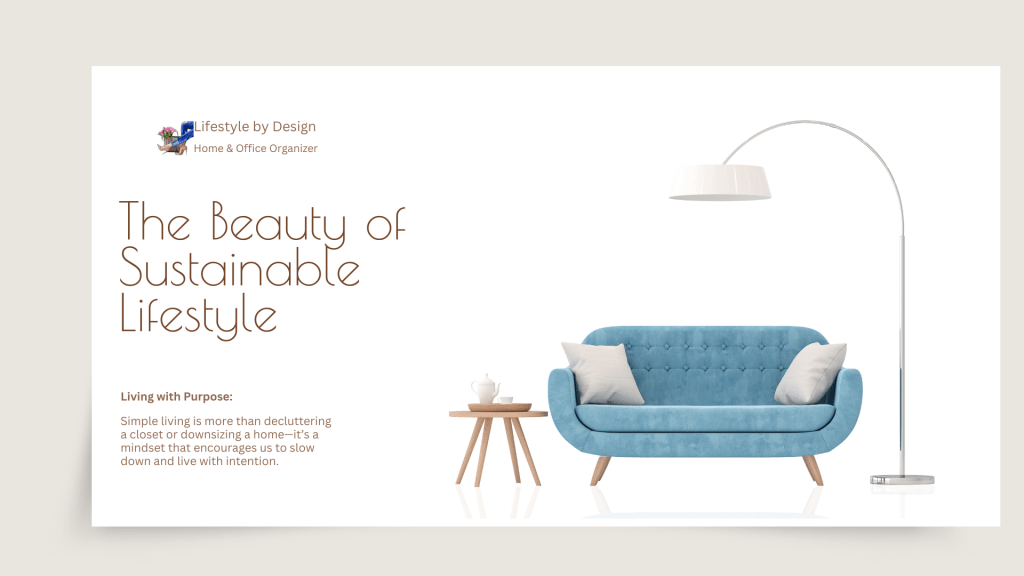
Simple living is more than decluttering a closet or downsizing a home—it’s a mindset that encourages us to slow down and live with intention. At its core, it’s about removing excess not only from our physical spaces but also from our mental, emotional, and spiritual lives. In doing so, we create space for clarity, peace, and deeper meaning.
Rather than measuring life by what we accumulate, simple living invites us to value the quality of our experiences, relationships, and inner growth. In a world dominated by consumerism and constant noise, it’s easy to confuse busyness with purpose. Simple living challenges this mindset, prompting us to reassess what truly matters. It suggests that a life overloaded with possessions, obligations, and endless striving can often feel empty rather than fulfilling.
By intentionally choosing simplicity, we begin to notice the richness in small moments: the warmth of a morning cup of tea, the beauty of nature outside our window, or the joy of an unhurried conversation with a friend. These are the often-overlooked treasures buried beneath the clutter of modern life.
At its foundation, simple living is not about deprivation. It’s not about giving up what we love, but aligning our lives with what we value most. It begins with asking: Do I need this? Does this serve me? Does this contribute to my well-being or distract from it? These questions help us intentionally curate lives that support balance and harmony.
Simplicity empowers us to focus our time, energy, and resources on what nurtures us rather than what depletes us. Ultimately, it offers freedom—freedom from the pressure to constantly consume, from the weight of comparison, and from the illusion that more is always better.
This philosophy opens a door to a slower, more mindful way of being—one in which we reconnect with our authentic selves. In this space, we are no longer defined by what we own or how much we do, but by who we are and how we choose to live. This chapter lays the groundwork for embracing simplicity—not as a fleeting trend, but as a fulfilling way of life rooted in depth, peace, and joy.
CHAPTER TWO: Your Stuff is Not Your Soulmate (Probably)
Let’s be honest: some of us are in committed relationships with our stuff. That T-shirt from 2008? “It still fits… emotionally.” The pasta maker you used once? “It might come in handy during the next carb crisis.”
But here’s the kicker—most of our stuff doesn’t love us back. It doesn’t bring joy; it just hogs our space and collects dust like it’s starting a collection.
The key to sustainable living is understanding the difference between wanting and needing. (Spoiler: You probably don’t need that third garlic press.) When we stop accumulating things like we’re trying to win a loyalty card from Amazon, we reduce waste, save money, and free up mental space.
Try this: The next time you’re about to buy something, pause and ask, “Do I need this, or am I just trying to impress the neighbor who owns a salt lamp and a Tesla?” If it’s the latter, walk away proudly. You just saved yourself from clutter and existential regret.
Living sustainably doesn’t mean you must fit all your belongings into a backpack and move to a treehouse (unless you’re into that). It means being intentional: choosing quality over quantity, and making space for what actually matters—like spontaneous dance parties in your living room.
CHAPTER THREE: Eating Green Without Turning Into a Kale Cultist
You’ve probably heard the phrase “You are what you eat.” If that’s true, some of us are approximately 47% potato chips.
Sustainable living starts at the table. But let’s clear this up: You don’t need to become a vegan monk who only eats locally-sourced moss. The goal isn’t perfection—it’s progress.
Eating more plant-based meals, reducing food waste, and shopping locally can make a huge impact. Plus, eating veggies doesn’t have to be a flavorless punishment. (We’re looking at you, overcooked Brussels sprouts.)
Hot tip: Plan your meals before shopping. That way, you avoid buying 6 zucchinis you swear you’ll use but inevitably watch wilt into mushy regret.
And remember: composting isn’t just for hippies with backyard chickens. It’s a legit way to give back to the Earth—and it’s strangely satisfying to turn yesterday’s banana peel into tomorrow’s garden gold.
Start small. Swap out meat once or twice a week. Buy from the farmer’s market when you can. And yes, you can still have chocolate—it’s basically a plant. Probably.
CHAPTER FOUR: Energy Vampires and the Art of Unplugging (Literally and Figuratively)
No, we’re not talking about your overly dramatic cousin who drains your soul at family dinners. We’re talking about the other kind of energy vampire—the toaster that’s always plugged in even though it hasn’t toasted anything since 2017.
Our homes are full of sneaky energy suckers. Electronics, lights, heating systems—they’re often running on autopilot while we pay the bill. Sustainable living means becoming a little more aware of what’s on, what’s needed, and what can be turned off (hint: probably everything when you’re not using it).
But let’s zoom out for a second: unplugging isn’t just about appliances. It’s also about our minds. Scrolling social media until our eyeballs hurt doesn’t exactly scream “simple, meaningful life.” Try stepping away from screens once in a while. Go outside. Stare at a tree. Hug it, if you must.
Simple wins:
Switch to LED bulbs (they last longer and don’t affect your electric bill).
Use a power strip so you can turn off multiple devices with one satisfying click.
Air-dry your clothes like it’s 1992. Bonus: it’s free and smells like sunshine.
Remember, saving energy = saving money + saving the planet + becoming slightly smug in a good way.
CHAPTER FIVE: The Joy of Doing Nothing (a.k.a. Sustainable Sanity)
Here’s a radical idea: What if… You didn’t have to be busy all the time?
We live in a world that treats rest like a guilty pleasure. If you’re not multitasking with three to-do lists and a podcast playing at double speed, are you even trying?
Yes. Yes, you are. In fact, doing less can be the most revolutionary act in a world obsessed with more.
Sustainable living isn’t just about what we consume—it’s about how we live. Creating time for rest, reflection, and joy is just as important as composting or riding your bike to the store. Taking care of your well-being helps you show up better for the people and planet around you.
Pro tip: Schedule downtime like you’d schedule a dentist appointment. Call it “soul maintenance” if that makes it feel more official.
Sit. Breathe. Stare out the window. Let your mind wander without needing to fix, scroll, or hustle. You are not a productivity machine. You’re a human being—with permission to chill.
Because in the end, sustainability isn’t about sacrificing joy. It’s about making space for more of it—the real kind, not the kind that comes from flash sales and fast shipping.
Final Thoughts: Living sustainably isn’t about being perfect. It’s about small steps, conscious choices, and a willingness to laugh along the way. Whether you’re swapping plastic for reusable bags or simply learning to appreciate silence over screen time, you’re making a difference.
And if all else fails—just remember to bring the clothes in if it starts to rain.
Beyond mere tidying, detail-cleaning your home is an act of love, a meditative journey that rekindles your relationship with your space. Hidden beneath the daily bustle, forgotten nooks and crannies gather dust, subtly accumulating the essence of our lives. This process enables you to breathe new life into every room and discover joy in the smallest details.
Imagine the serenity of lifting a neglected picture frame, wiping away months of dust to reveal a cherished photograph. Each swipe of the cloth becomes a stroke of nostalgia, a gentle reminder of moments past. The mingling scents of fresh cleaning products and familiar home create an atmosphere that is both comforting and invigorating.
As you meticulously clean baseboards and scrub grout, you are not just removing dirt but rediscovering the beauty beneath. Each uncovered corner and polished surface reflects a renewed commitment to your environment, grounding you and connecting you to the physical space that holds your life’s stories.
Detail cleaning is evident in the careful reorganization of a cluttered drawer, where a long-lost trinket brings a smile. It’s in the satisfaction of seeing your reflection in a spotless mirror—a metaphor for the clarity and peace you seek in life. This deep cleaning goes beyond the physical; it’s a meditative journey where you let go of what no longer serves you, making room for new memories and experiences. It teaches patience, attention to detail, and mindfulness, fully engaging you with your surroundings.
In this process, your home transforms from a mere shelter into a sanctuary. The energy shifts, the air feels lighter, and you walk through each room with pride and accomplishment, knowing every surface gleams with your care. It’s a gift to yourself and those you share your home with—a testament to the love and respect you have for your living space.
Embrace the art of detail-cleaning. Let it be a celebration of your home, a ritual that honors the past and prepares for the future. As you clean, remember you are not just tidying up; you are creating a space filled with warmth, clarity, and peace. In every corner, let the love you pour into your home reflect into your heart, reminding you of the beauty in the details.
Here is a list of tasks to get you started:
The Art of Detail-Cleaning: 8 Daily Tasks
Baseboards & Door Frames Wipe down baseboards, trim, and door frames with a damp cloth or Magic Eraser to remove dust and scuff marks.
Light Switches & Doorknobs Disinfect high-touch areas like light switches, doorknobs, and cabinet handles throughout the home or office.
Ceiling Fans & Air Vents Dust and vacuum ceiling fan blades, air return vents, and bathroom exhaust fans.
Under Furniture & Appliances Move lightweight furniture or appliances to clean underneath — sweep, vacuum, or mop hidden dust bunnies and crumbs.
Inside the Fridge & Pantry Remove expired food, wipe down shelves, and disinfect drawers. Reorganize the contents by zones or categories.
Window Tracks & Blinds Deep clean window sills, tracks, and dust blinds with a microfiber cloth and mild cleaner.
Tech & Office Tools Sanitize computer keyboards, remotes, phones, and printer surfaces. Use a Q-tip for crevices and compressed air for dust.
Decor & Light Fixtures Gently wipe down lampshades, picture frames, and decorative items. Dust or wash light fixtures and replace any burnt-out bulbs.
Well-Being and Healing: A Journey of Self-Discovery
In our fast-paced world, mental health often takes a backseat to the daily grind. It’s no surprise, then, that emotional challenges like anxiety and depression are on the rise. Many of these issues have roots in past experiences, such as childhood trauma or difficult relationships.
To start the healing process, a powerful first step is cultivating self-awareness. By tuning into your thoughts, emotions, and body, you gain insight into your inner world and identify areas needing attention and care. This awareness is a cornerstone for achieving a greater sense of peace, clarity, and balance, even when facing life’s inevitable challenges.
Journaling is an excellent tool for deepening this self-knowledge. It serves as a conversation with your mind, heart, and soul, allowing you to truly listen to what they’re communicating. Writing down your feelings and experiences is more than just venting; it’s a courageous act of confronting your pain and sadness. This honest self-exploration is a vital gateway to healing and improved well-being.
The path of healing is unique for everyone, manifesting through various actions such as self-forgiveness, accepting imperfections, releasing the past, practicing self-love, or rebuilding trust. It is meaningful that the words “journaling” and “journey” are so similar, as both imply a personal voyage of transformation and self-discovery.
Make it a practice to write freely each day or week. Don’t focus on perfection; simply let your thoughts flow. Reflect on your successes, your struggles, your current emotional state, your worries, your personal growth, and your aspirations. This habit can illuminate underlying factors affecting your mental health and provide profound self-understanding. Writing from the heart is a powerful and restorative experience.
Life shifts — sometimes slowly, sometimes all at once. Maybe you’re preparing to sell your home and need every room to shine with simplicity and warmth. Or maybe you’re opening your doors to a loved one — merging two lives, two styles, and two histories under one roof.
No matter the reason, your home tells a story — and I’m here to help you write the next chapter.
As a Home & Office Organizer, I create calm out of chaos, beauty out of overwhelm, and flow out of frustration. I understand how hard it can be to let go, to start over, or to make space for someone new. But you don’t have to do it alone.
Together, we’ll clear what no longer serves you, redesign spaces that reflect your new season of life, and bring a sense of peace and purpose back into your home.
Whether it’s:
Preparing your home to sell quickly and beautifully
Creating harmony while sharing your home with family
Or simply finding joy and order again in your daily spaces
I’m here to help you breathe easier — one room, one drawer, one conversation at a time.
Let’s talk about where you are and what you need. 📞 Call, text, or email me today — your new beginning is waiting.
You can experience all the joy and passion you imagine right now, rather than waiting for a future moment.
Our time is finite and quickly consumed, making its utilization one of life’s most crucial decisions. Yet, we often postpone today’s dreams until tomorrow. Modern life’s demands offer an easy excuse: we sideline our aspirations to better manage present challenges, hoping for more time and leisure in the future to achieve our goals. Alternatively, we tell ourselves we’ll pursue our dreams after achieving lesser objectives.
In reality, fear prevents us from seeking fulfillment now. Because we see failure as a possibility, our reasons for delaying inevitable success seem logical. But if we honestly ask ourselves what we’re waiting for, we find no truly compelling reason to postpone the pursuit of our sustaining dreams.
Framed as a question, “Why not now?” drains our power to achieve ambitions. We’re so convinced we’re undeserving of happiness that we fail to see what we can do in the present to embrace it. When we decisively confront our existence and declare, “Why not now, indeed!” — we gain the power to begin transforming our lives instantly.
All the joy, passion, and contentment you envision can be yours immediately, not at some distant point. You simply need to remember that nothing stands between you and fulfillment. If you choose today to seize your destiny, you will quickly discover you hold the keys to your fate.
Art therapy is a creative method of expression used as a therapeutic technique. Among the various tools utilized in art therapy, vision boards stand out as a particularly powerful medium. A vision board is a collage of images, pictures, and affirmations of one’s dreams, goals, and desires. By engaging in the process of creating a vision board, individuals can unlock a range of psychological benefits, making it a valuable tool in art therapy.
What is a Vision Board?
A vision board, also known as a dream board, is a visual representation of one’s aspirations and goals. It typically involves cutting out pictures and words from magazines or printing images that resonate with one’s desires and pasting them onto a board. The finished product serves as a visual reminder and motivation for achieving these goals.
The Therapeutic Process
The process of creating a vision board can be therapeutic in itself. Here’s how it helps:
1. Self-Reflection and Awareness: Selecting images and words for a vision board requires introspection. Individuals must think deeply about what they truly want in life. This reflection fosters self-awareness and helps in identifying personal values and priorities.
2. Goal Setting and Focus: Vision boards help clarify and concentrate one’s goals. By visually depicting their aspirations, individuals can focus more clearly on what they want to achieve. This focus can reduce anxiety and provide a sense of direction.
3. Emotional Expression: Art therapy often aims to help individuals express emotions that are difficult to verbalize. Through the selection of images and colors, individuals can convey feelings and thoughts, facilitating emotional release and understanding.
4. Stress Reduction: The act of creating art is inherently relaxing. The tactile experience of cutting, pasting, and arranging images can reduce stress and promote a sense of calm. Engaging in a creative activity can serve as a form of mindfulness, helping individuals stay present and engaged.
5. Empowerment and Motivation: Seeing one’s goals and dreams laid out visually can be incredibly empowering. Vision boards act as a constant reminder of one’s potential and the steps needed to achieve desired outcomes. This visual reinforcement can boost motivation and encourage positive thinking.
6. Symbolic Thinking: Vision boards can help individuals think in symbols and metaphors, which can be a powerful way to process and understand complex emotions and situations. This symbolic thinking can lead to new insights and perspectives.
Applications in Art Therapy
Vision boards can be integrated into various therapeutic settings, from individual therapy sessions to group workshops. Here are some ways they can be used:
– Individual Therapy: Therapists can guide clients through the process of creating a vision board, helping them explore personal goals and emotions. This can be particularly useful for clients dealing with issues like depression, anxiety, and low self-esteem.
– Group Therapy: In group settings, creating vision boards can foster a sense of community and shared purpose. Participants can share their boards and discuss their aspirations, leading to mutual support and understanding.
– Workshops and Retreats: Vision board workshops can be part of wellness retreats or personal development rituals. These sessions can provide a structured environment for individuals to focus on their goals and well-being.
Conclusion
Vision boards are more than just a creative exercise; they are a powerful tool in art therapy. By facilitating self-reflection, goal setting, emotional expression, and stress reduction, vision boards can help individuals navigate their inner world and work towards their dreams. Whether used in individual therapy, group sessions, or personal development, vision boards offer a versatile and effective means of fostering mental and emotional well-being.
Rejuvenate Your Space: The Transformative Benefits of a Room Redesign
“The space in which we live should be for the person we are becoming now—not for the person we were in the past,” notes decluttering expert Marie Kondo.
A room redesign is more than just an aesthetic upgrade; it’s an opportunity to rejuvenate your living space, enhance your quality of life, and express your personal style. Whether you’re moving into a new home or seeking to refresh your current abode, the benefits of a room redesign are numerous and impactful. Let’s explore how this transformative process can elevate your environment and well-being.
1. Boosts Mood and Productivity
Your surroundings have a profound effect on your mood and productivity. A thoughtfully redesigned room can create a serene and inspiring atmosphere. Incorporating elements such as natural light, ergonomic furniture, and soothing colors can help reduce stress and increase focus. Imagine working in a home office with ample daylight and an organized layout—your efficiency and creativity are bound to flourish.
2. Maximizes Space and Functionality
A well-planned redesign can optimize the layout and use of space, making even the smallest rooms feel spacious and functional. By rethinking the placement of furniture and adding smart storage solutions, you can transform a cluttered area into a harmonious and efficient living space. This is particularly beneficial in urban apartments where space is often at a premium.
3. Reflects Personal Style and Identity
Your home is a reflection of who you are. A redesign enables you to infuse your personality and style into your living space. Whether you prefer a minimalist aesthetic, a cozy rustic feel, or a modern chic look, redesigning a room provides a canvas to showcase your unique style. Personal touches such as artwork, textiles, and décor pieces can make your space truly your own.
4. Increases Property Value
Investing in a room redesign can significantly increase the value of your property. Potential buyers are often drawn to homes that are well-maintained and stylishly updated. Key areas like the kitchen, bathroom, and living room can yield a high return on investment when remodeled. Even simple updates like fresh paint, new fixtures, and contemporary finishes can make a big difference in market appeal.
5. Enhances Comfort and Livability
Comfort is paramount in creating a home where you love to spend time. Redesigning a room with comfortable furniture, appropriate lighting, and effective climate control can make your home more inviting and pleasant. A cozy reading nook, a luxurious bedroom retreat, or a welcoming living room can turn everyday life into a delightful experience.
6. Promotes Sustainability
A redesign offers an excellent opportunity to incorporate sustainable practices and materials into your home. Choosing eco-friendly products, energy-efficient appliances, and sustainable building materials can reduce your carbon footprint and promote a healthier environment. Additionally, upcycling or repurposing old furniture not only saves money but also adds character and history to your redesigned space.
7. Fosters Creativity and Innovation
Engaging in the process of redesigning a room can be a highly creative endeavor. It encourages you to think outside the box and come up with innovative solutions to design challenges. Whether you’re tackling a DIY project or collaborating with a professional designer, the process can be incredibly fulfilling and intellectually stimulating.
8. Supports Mental and Physical Health
A well-designed room can contribute to better mental and physical health. Good design principles can ensure adequate ventilation, proper lighting, and ergonomic comfort, which can reduce the risk of health issues such as eye strain, poor posture, and respiratory problems. Moreover, a clutter-free and aesthetically pleasing environment can promote mental clarity and relaxation.
Summary:
Redesigning a room is an investment in your home and yourself. The benefits range from improved mood and productivity to increased property value and sustainability. By embracing the process of redesign, you can create a space that is not only beautiful but also functional, comfortable, and reflective of your unique style. So, whether you’re considering a minor update or a complete overhaul, remember that the journey of redesigning your room is an opportunity to enhance your quality of life and well-being.





 Home & Office Organizer